Introduction
Riding a motorcycle offers freedom, excitement, and adventure. Whether you ride a sport bike, touring motorcycle, cruiser, scooter, or commuter bike, motorcycle safety should always be a top priority.
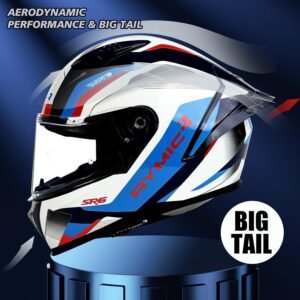
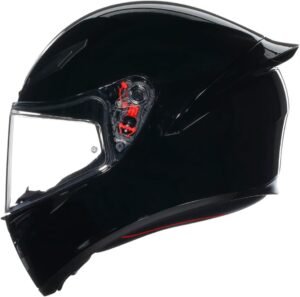
One of the most important pieces of motorcycle safety gear is a good-quality motorcycle helmet.
A helmet is not just a riding accessory. It is an essential piece of protective equipment designed to protect the head and reduce the risk of serious injury during an accident. From daily commuting to long-distance touring and high-speed riding, wearing the right bike helmet can make a major difference.
In this article, we will explore why helmets are important, the benefits of wearing a motorcycle helmet, different types of helmets, and how to choose the right helmet for your riding style.
Why Is a Motorcycle Helmet Important?
The human head is one of the most vulnerable parts of the body during a motorcycle accident. Unlike a car, a motorcycle does not provide a protective metal frame, airbags, or a seatbelt around the rider.
Motorcycle riders are more exposed to:
- Road accidents
- Falling from the motorcycle
- Flying debris
- Dust and insects
- Wind pressure
- Rain and changing weather
- Impacts with other vehicles or objects
A properly fitted motorcycle helmet provides an important layer of protection around the head.
The main purpose of a helmet is to help manage impact forces and protect the rider’s head during a crash. This is why choosing a reliable, properly fitting helmet is one of the smartest decisions any rider can make.
1. Motorcycle Helmets Help Protect Your Head
The number one reason to wear a motorcycle helmet is head protection.
During an accident, a rider can fall directly onto the road or collide with another object. A quality helmet is designed with multiple layers that work together to provide protection.
A typical helmet may include:
Outer Shell
The outer shell is the helmet’s first layer. It helps distribute and manage impact forces.
Impact-Absorbing Liner
Inside the helmet, an energy-absorbing liner helps reduce the amount of force transferred toward the head.
Comfort Padding
The internal padding helps provide a secure and comfortable fit while keeping the helmet stable during riding.
Together, these components make a motorcycle safety helmet far more than just a fashion accessory.
2. A Helmet Protects You From More Than Accidents
Many riders think helmets are useful only during crashes. However, a full-face motorcycle helmet can also improve comfort and protection during normal riding.
When riding at higher speeds, you may face:
- Strong wind
- Dust
- Small stones
- Insects
- Rain
- Cold air
- Sunlight
A helmet with a good visor can help protect your face and eyes while improving your riding experience.
This is especially useful for riders who travel long distances or ride regularly on highways.
3. Better Visibility With the Right Motorcycle Helmet
Visibility is extremely important when riding.
Modern helmets may include features such as:
- Clear visors
- Internal sun visors
- Dual-lens systems
- Anti-fog designs
- Wide viewing angles
A dual-lens motorcycle helmet, for example, can give riders more flexibility when riding in changing light conditions.
However, riders should always make sure that the visor is clean and that visibility is not restricted.
4. A Full-Face Helmet Provides Additional Coverage
There are several different types of motorcycle helmets, but the full-face design is popular because it provides coverage around the head and chin area.
A full-face helmet can be a good choice for:
- Sport bike riders
- Highway riders
- Touring riders
- Daily commuters
- Long-distance motorcycle travelers
For riders who want additional convenience, a flip-up motorcycle helmet or modular helmet can combine full-face-style coverage with a movable front section.
Different Types of Motorcycle Helmets
Before buying a helmet, it is important to understand the main types available.
Full-Face Motorcycle Helmet
A full-face helmet covers the head, face, and chin area.
It is commonly chosen by riders who want extensive coverage for highway, sport, and touring use.
Best for:
- Sport bikes
- High-speed riding
- Long-distance touring
- Daily commuting
Modular or Flip-Up Motorcycle Helmet
A flip-up motorcycle helmet has a movable front section.
This can be convenient when stopped for:
- Talking to someone
- Taking a short break
- Getting fresh air
- Touring stops
Modular helmets are especially popular among touring and commuting riders.
Open-Face Helmet
An open-face helmet provides coverage around the head but leaves the face more exposed.
These helmets are often used for:
- City riding
- Scooters
- Cruisers
- Lower-speed commuting
Off-Road Motorcycle Helmet
Off-road helmets are designed for activities such as motocross and dirt riding.
They often include:
- Extended chin protection
- A peak or visor
- Increased airflow
They are designed differently from standard street motorcycle helmets.
How to Choose the Right Motorcycle Helmet
Buying the best motorcycle helmet is not only about choosing a good-looking design.
Here are some important factors to consider.
1. Choose the Correct Size
A helmet should fit securely without being painfully tight.
A loose helmet may move around while riding, while an excessively tight helmet can cause discomfort and pressure.
Before ordering online:
- Measure the circumference of your head.
- Check the manufacturer’s size chart.
- Compare your measurement carefully.
- Choose the recommended size.
Never assume that you wear the same size in every helmet brand.
2. Check Safety Certification
One of the most important things to check before purchasing a motorcycle helmet is whether it meets the applicable safety standards required in your country or region.
Always review:
- Helmet certification
- Local legal requirements
- Product specifications
- Seller information
Safety should always be more important than appearance or price.
3. Consider Your Riding Style
The best helmet for one rider may not be the best for another.
For example:
| Riding Style | Helmet Type to Consider |
|---|---|
| Daily Commuting | Full-Face or Modular |
| Long-Distance Touring | Modular or Touring Helmet |
| Sport Bike Riding | Full-Face Helmet |
| City and Scooter Riding | Full-Face or Open-Face |
| Off-Road Riding | Motocross or Off-Road Helmet |
Think about where, how often, and how far you usually ride.
Why Lightweight Motorcycle Helmets Are Popular
Comfort becomes increasingly important during longer rides.
A heavy helmet can potentially cause more fatigue and neck discomfort over time. This is why many riders look for a lightweight motorcycle helmet.
Materials and construction can influence the overall weight of a helmet. Carbon fiber is commonly associated with lightweight, high-performance helmet designs.
When choosing a helmet, consider both:
- Weight
- Safety certification
A lightweight helmet is useful, but proper fit and verified safety standards should always remain the priority.
The Benefits of a Carbon Fiber Motorcycle Helmet
A carbon fiber motorcycle helmet is often attractive to riders looking for a combination of lightweight construction and premium styling.
Potential advantages include:
- Lightweight design
- Premium appearance
- Suitable for touring
- Reduced bulk compared with some heavier helmet designs
However, every helmet model is different. Always check the specific product specifications and safety certification before making a purchase.
Motorcycle Helmet Comfort Features to Look For
A comfortable helmet can make a big difference, especially during long rides.
Some useful features may include:
Good Ventilation
Ventilation can help improve airflow during warm weather.
Comfortable Interior Padding
Soft and properly designed padding can improve comfort during long-distance riding.
Adjustable Visor
A clear and functional visor can help protect your eyes from wind, dust, and insects.
Dual Lens System
A dual-lens motorcycle helmet can provide additional flexibility in changing lighting conditions.
Secure Chin Strap
The retention system should be easy to use and securely fastened before every ride.
Why You Should Replace an Old Motorcycle Helmet
Motorcycle helmets should not be used forever.
Over time, a helmet may experience:
- Wear and tear
- Damaged straps
- Loose padding
- Cracks
- Impact damage
- Reduced comfort
If a helmet has been involved in a significant impact, follow the manufacturer’s guidance regarding inspection or replacement.
Never continue using a visibly damaged helmet simply because it still looks acceptable from the outside.
Motorcycle Helmet Safety Tips
Wearing a helmet is important, but wearing it correctly is equally important.
Follow these basic motorcycle safety tips:
- Always fasten the chin strap properly.
- Make sure the helmet fits securely.
- Keep the visor clean.
- Inspect your helmet regularly.
- Avoid using a damaged helmet.
- Check applicable safety certification.
- Follow local helmet laws.
- Replace the helmet according to manufacturer guidance or after damage.
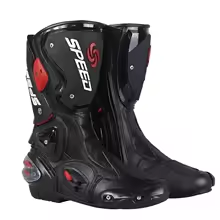
- Wear additional motorcycle safety gear, including gloves, jackets, pants, and boots.
A helmet is only one part of responsible motorcycle riding.
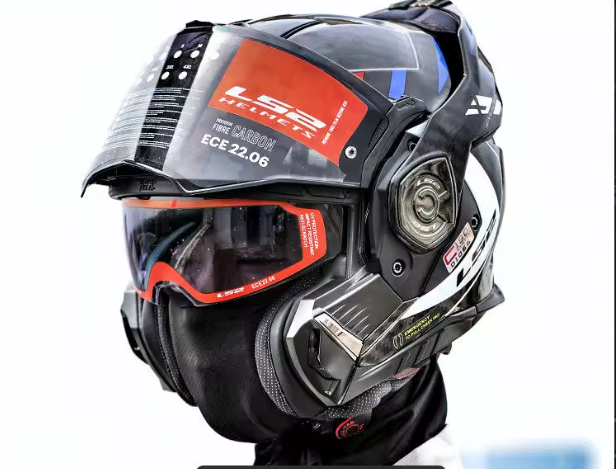
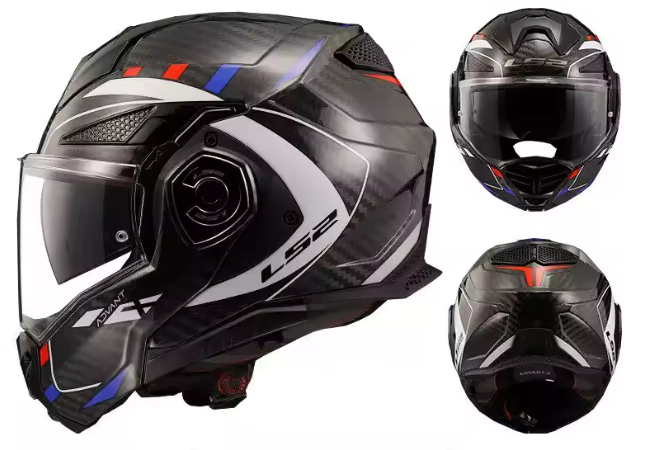
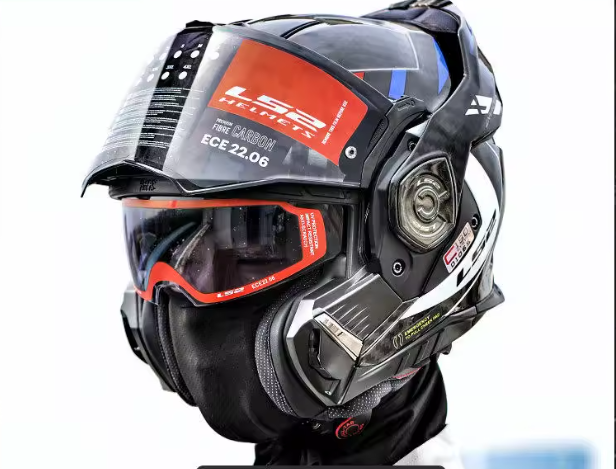
Featured Product: LS2 FF901 FF906 Carbon Fiber Flip-Up Helmet
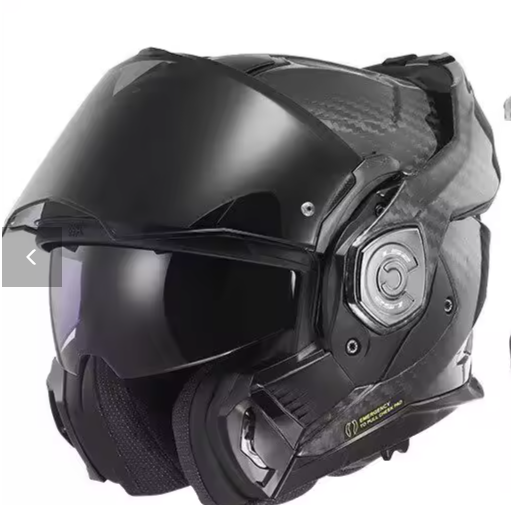
If you are looking for a flip-up motorcycle helmet for touring or everyday riding, the LS2 FF901 FF906 Carbon Fiber Flip-Up Motorcycle Helmet is one option to explore.
According to the product details, it features:
- Carbon fiber construction
- Flip-up or modular design
- Dual-lens system
- Unisex design
- Multiple size options
- Multiple color variations
- Suitable for motorcycle touring and commuting
Before purchasing, carefully check the available size, exact model, included features, safety certification, and seller information.
Check the Latest Price and Available Options
View the Motorcycle Helmet Here
Affiliate Disclosure: This article contains an affiliate link. If you make a purchase through this link, we may earn a commission at no additional cost to you.
Frequently Asked Questions About Motorcycle Helmets
Why should I wear a motorcycle helmet?
A motorcycle helmet is an essential piece of protective gear designed to help protect your head during accidents while also shielding you from wind, dust, insects, and weather conditions.
Which type of motorcycle helmet is best?
The best helmet depends on your riding style. Full-face helmets are popular for extensive coverage, while modular helmets offer additional convenience for touring and commuting.
How should a motorcycle helmet fit?
A helmet should fit securely around your head without excessive movement or painful pressure points. Always check the manufacturer’s size chart.
Are lightweight motorcycle helmets better?
A lightweight helmet can improve comfort during long rides, but safety certification, fit, construction, and suitability for your riding needs should also be considered.
What is a flip-up motorcycle helmet?
A flip-up or modular helmet has a movable front section, providing additional convenience when stopped.
Can men and women use the same motorcycle helmet?
Yes. Many helmets are designed as unisex products. The most important factor is choosing the correct size and fit.
Final Thoughts: A Helmet Is Essential Motorcycle Safety Gear
Every motorcycle rider should take safety seriously. Whether you ride for commuting, touring, adventure, or fun, wearing the right motorcycle helmet is one of the most important steps you can take before starting your journey.
When choosing a helmet, do not focus only on style or price. Consider:
✔ Proper fit
✔ Safety certification
✔ Comfort
✔ Visibility
✔ Ventilation
✔ Your riding style
A good motorcycle helmet can provide comfort and important protection on every ride. Choose carefully, wear it correctly, and always ride responsibly.